When it comes to cleaning your home’s exterior, you have more options than you might think. While many people are familiar with pressure washing, there’s another highly effective method called soft washing that’s gaining popularity among homeowners and business owners alike. But what exactly is soft washing, and why might it be a better choice for certain surfaces?
In this guide, we’ll break down everything you need to know about soft washing—what it is, how it works, what it’s used for, and why it’s an important part of maintaining your property.
Soft Washing Defined
Soft washing is a low-pressure cleaning method that uses specialized solutions—often containing detergents, algaecides, or bleach-based cleaners—to safely remove dirt, mold, mildew, algae, and other organic growth from exterior surfaces. Unlike traditional high-pressure washing, which relies on force to blast away debris, soft washing lets the cleaning solution do most of the work.
The process typically involves:
- Applying a cleaning solution to the surface.
- Letting the solution dwell for several minutes so it can break down contaminants.
- Rinsing with low-pressure water to wash everything away.
This gentler method not only cleans effectively but also helps protect delicate surfaces from the potential damage that can be caused by high-pressure streams of water.
The Difference Between Soft Washing and Pressure Washing
While both methods clean exterior surfaces, the main differences come down to water pressure, cleaning approach, and ideal applications.
| Feature | Soft Washing | Pressure Washing |
| Water Pressure | Low (under 500 PSI) | High (1,500–4,000+ PSI) |
| Cleaning Method | Relies on cleaning solutions | Relies on force of water |
| Best For | Roofs, siding, fences, decks, delicate materials | Concrete, stone, brick, metal |
| Risk of Damage | Minimal when done correctly | Higher risk on softer surfaces |
Think of it this way: if pressure washing is like scrubbing with a stiff brush, soft washing is like soaking in cleaning solution before rinsing—gentle but highly effective.
What Can Be Soft Washed?
One of the best things about soft washing is its versatility. It can be safely used on a wide variety of surfaces around your home or business, including:
- Roofing materials (asphalt shingles, tile, slate, metal)
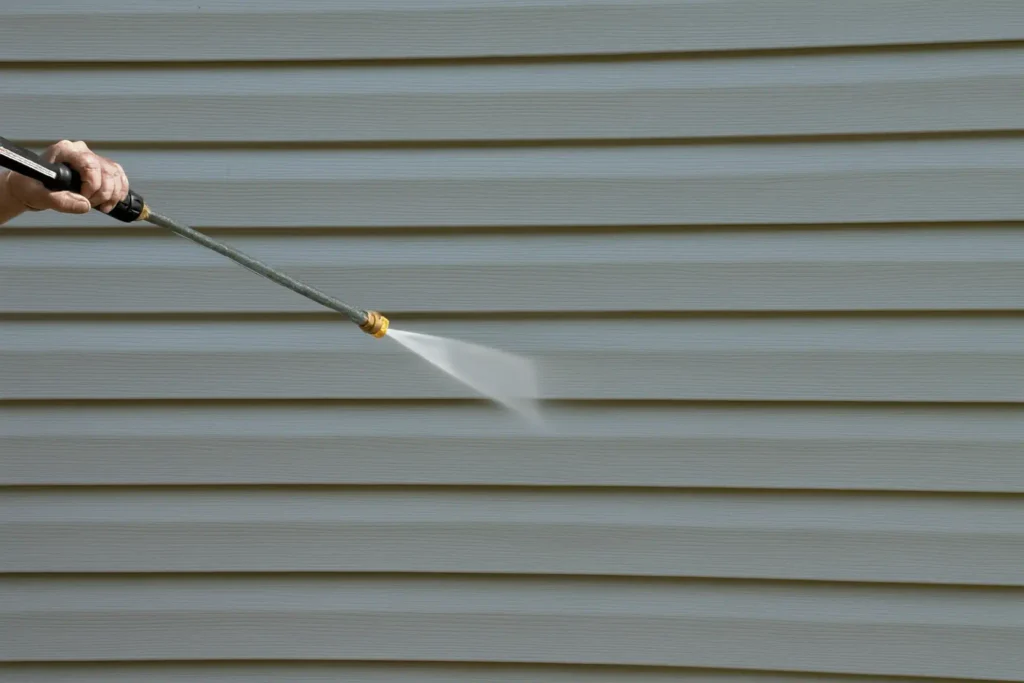
- Vinyl siding and other home exterior cladding
- Stucco and EIFS
- Wood surfaces (fences, decks, pergolas)
- Outdoor furniture
- Gutters and fascia boards
- Screens and screened enclosures
This makes soft washing a go-to option for areas that are prone to organic growth but could be damaged by intense water pressure.
Why Soft Washing Is Popular for Roof Cleaning
One of the most common uses for soft washing is roof cleaning. If you’ve ever noticed black streaks or green patches on your roof, that’s likely caused by algae, mold, or lichen. Using high-pressure washing on a roof can strip away protective granules from shingles or loosen tiles, leading to costly damage.
Soft washing, on the other hand:
- Kills the algae and bacteria at the root, preventing regrowth for longer periods.
- Preserves the integrity of the roof material, extending its lifespan.
- Improves curb appeal by restoring the roof’s original color.
Because it’s gentle, soft washing is also approved by many roofing manufacturers as a safe cleaning method that won’t void your warranty.
The Benefits of Soft Washing
Choosing soft washing for your property comes with a variety of advantages:
1. Gentle on Surfaces
Low pressure means no cracked siding, no stripped paint, and no splintered wood.
2. Longer-Lasting Results
Since the cleaning solutions kill algae, mold, and mildew at their source, surfaces stay cleaner for longer compared to pressure washing.
3. Prevents Damage
High pressure can force water into cracks and crevices, potentially causing rot or mold growth. Soft washing minimizes this risk.
4. Environmentally Friendly
When used responsibly, soft washing solutions can be biodegradable and safe for landscaping.
5. Cost-Effective Maintenance
Regular soft washing can prevent expensive repairs and repainting by keeping surfaces in good condition.
How the Soft Washing Process Works
While the details can vary between service providers, a typical soft washing service includes:
- Property Assessment – The team inspects the area to determine the best cleaning solutions and methods for the job.
- Surface Preparation – Plants, furniture, and delicate items are protected from overspray.
- Application of Cleaning Solution – A specialized mix is applied at low pressure.
- Dwell Time – The solution sits on the surface to break down organic growth and stains.
- Gentle Rinse – The area is rinsed clean with low-pressure water.
- Final Inspection – The crew checks to make sure all areas are clean and no spots were missed.
Soft Washing Safety
When done by trained professionals, soft washing is safe for most exterior surfaces. However, it’s important to:
- Use the correct cleaning solution for the surface material.
- Protect nearby plants by pre-wetting and rinsing after cleaning.
- Wear protective gear when handling chemical cleaners.
This is why hiring a professional soft washing company is recommended—they know how to balance effective cleaning with environmental and property safety.
DIY vs. Professional Soft Washing
While some homeowners might attempt soft washing on their own, professional services offer clear advantages:
- Experience – Professionals know which solutions work best for specific stains and surfaces.
- Equipment – Specialized pumps and nozzles ensure the right pressure and coverage.
- Safety – Working on ladders or roofs can be dangerous without proper training.
- Efficiency – Professionals can complete the job faster and more thoroughly.
In many cases, hiring an expert saves both time and money in the long run.
How Often Should You Soft Wash?
The ideal frequency depends on your local climate, the type of surface, and the level of exposure to moisture and shade. In most cases:
- Roofs: Every 2–3 years
- Siding: Every 1–2 years
- Decks and fences: Every 1–2 years
Regular soft washing as part of your exterior maintenance plan can keep your property looking great and structurally sound.
The Bottom Line
Soft washing is a gentle yet powerful cleaning method that’s perfect for delicate surfaces, roofs, and areas prone to organic growth. By combining low-pressure water with specialized cleaning solutions, it removes dirt, algae, mold, and mildew without causing damage—leaving your home or business looking fresh and well-maintained.
If your property’s exterior is looking a little worse for wear, consider scheduling a professional soft washing service. It’s not just about aesthetics—it’s about protecting your investment and extending the life of your exterior surfaces.